Selling and marketing
ABC Smart Cookies Order Form: 9 Fields and a Deposit
Set up your cookie order form with the nine fields that stop mistakes and a deposit that gets paid.

On this page
- The nine fields for your ABC smart cookies order form
- How to structure your pricing on the form
- A worked example with real costs
- Managing special requests and allergies
- What to check before you share the form
- Taking payments for your orders
- Handling order changes and cancellations
- Next steps after your form is ready
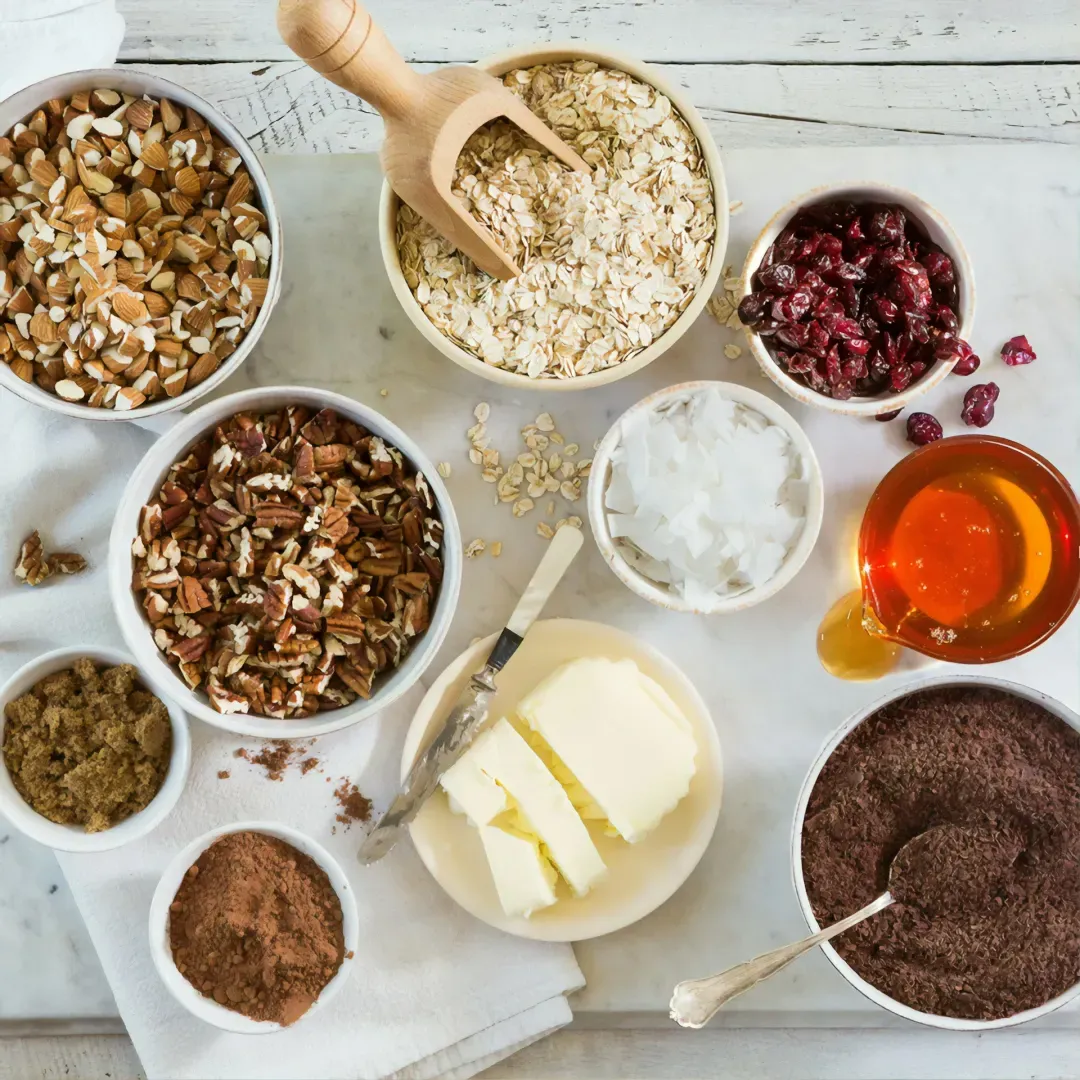
A good order form for your ABC smart cookies stops confusion before it starts. It asks for the right details so you know exactly what to bake and when to have it ready. This guide shows you the nine fields to include and how to set a deposit rule that works. You can also see a full cookie order form example with more details.
The nine fields for your ABC smart cookies order form
These fields cover the basics every cookie order needs. They help you avoid missed details and last-minute questions from customers.
Customer name and contact
Ask for first name, last name, phone number, and email address. You need a way to reach them if plans change.
Pickup date and time
Specify the exact day and a one-hour window for pickup. This commits the customer to a schedule.
Cookie type and quantity
List your cookie varieties clearly. Ask for the number of dozens or specific counts for each type.
Special instructions
Include a box for allergies, dietary notes, or decoration requests. This is where custom details go.
Total price and deposit
Show the calculated total. State your deposit amount and how it must be paid to secure the order.
How to structure your pricing on the form
Customers need to see a clear breakdown of what they are paying for. Your form should list a price per dozen or per cookie. It should also show any fees for custom decorations or dietary substitutions. The total price must be prominent and calculated automatically if possible. This transparency builds trust and reduces questions about the final bill.
Clearly state your deposit policy next to the total. Specify whether the deposit is a flat fee or a percentage. Explain that it is non-refundable if the customer cancels within a certain timeframe. This sets expectations and protects your business from last-minute changes.
A worked example with real costs
Let’s price a batch of two dozen chocolate chip ABC smart cookies. First, calculate your direct costs. Ingredients like flour, chocolate chips, butter, sugar, and eggs cost $8 for this batch. Packaging adds $2. Your total direct cost is $10.
Next, account for labor and overhead. Pay yourself $15 for one hour of baking and packaging time. Overhead costs like kitchen power, website fees, and cleaning supplies add another $3 for this order. Your total cost, including labor and overhead, is $28.
Selling the two dozen cookies for $40 gives you a $12 margin. Your deposit should cover at least the ingredient cost, so ask for $10 or 25% of the total price. This ensures you are not out of pocket if the order cancels.
Managing special requests and allergies
The special instructions field is critical for safety and satisfaction. You must ask customers to list all allergens present in their home or required for their diet. This includes nuts, dairy, gluten, and eggs. For custom decorations, ask for reference photos or specific color codes.
Have a clear policy for handling these requests. State if there is an extra charge for gluten-free flour or custom colors. Specify your kitchen’s allergy protocol, such as whether you bake in a dedicated gluten-free space. This information prevents misunderstandings and ensures customer safety.
What to check before you share the form
A few quick checks save you from problems later. Make sure your pickup times are clear and match your available hours. Test the form yourself to see if it’s easy to fill out on a phone. Confirm your payment instructions work and that you can track who has paid a deposit. Finally, check that your cookie listings are up to date with current prices. For more on setting prices, visit our selling hub.
Taking payments for your orders
You need a reliable way to collect the deposit and final payment. Many bakers use Venmo, Cash App, or Zelle for quick digital payments. You can also take card payments through your own Stripe or Square account. Brevl works with these payment methods and keeps all your order and payment details in one place. It shows you which orders are secured with a deposit and which are still pending.
Try the free bake pricing calculator
Free, no signup.
Handling order changes and cancellations
Establish a policy for changes before you launch your form. Most bakers allow modifications up to 48 hours before the pickup time. After that, changes may not be possible due to purchased ingredients. For cancellations, decide if the deposit is refundable. A common rule is to refund the deposit only if cancelled more than one week in advance.
Communicate this policy clearly on your form or in a confirmation email. This protects your time and reduces disputes. It also helps customers understand the commitment they are making when they place an order.
Next steps after your form is ready
Once your ABC smart cookies order form is set, share the link on your social media or in your email newsletter. You can also explore how to sell cookies to stores for wholesale ideas. For other baked goods, look at the cupcake order form for a similar worked example.
Common questions
How much should the deposit be for cookie orders?
Your deposit should cover your ingredient costs at a minimum. Many bakers ask for 25% to 50% of the total order price. This ensures you are not out of pocket if the order cancels.
Can I use a free online form builder?
Yes, free tools like Google Forms work. However, they do not calculate costs, track payments, or send reminders. A dedicated shop tool keeps orders and money in one place.
What if a customer wants to change their order after paying?
Have a clear policy. Most bakers allow changes up to 48 hours before pickup for a fee. After that, changes may not be possible due to ingredient purchasing and scheduling.
Should I offer delivery on my order form?
Delivery adds complexity and cost. If you offer it, add a separate fee field and require a specific delivery address and time window on your form.
General information, not legal or tax advice.