Choosing tools
Inventory System for Small Bakeries (2026): Cut Food Waste
A fair look at simple inventory tools that cut waste and keep bake costs honest.

On this page
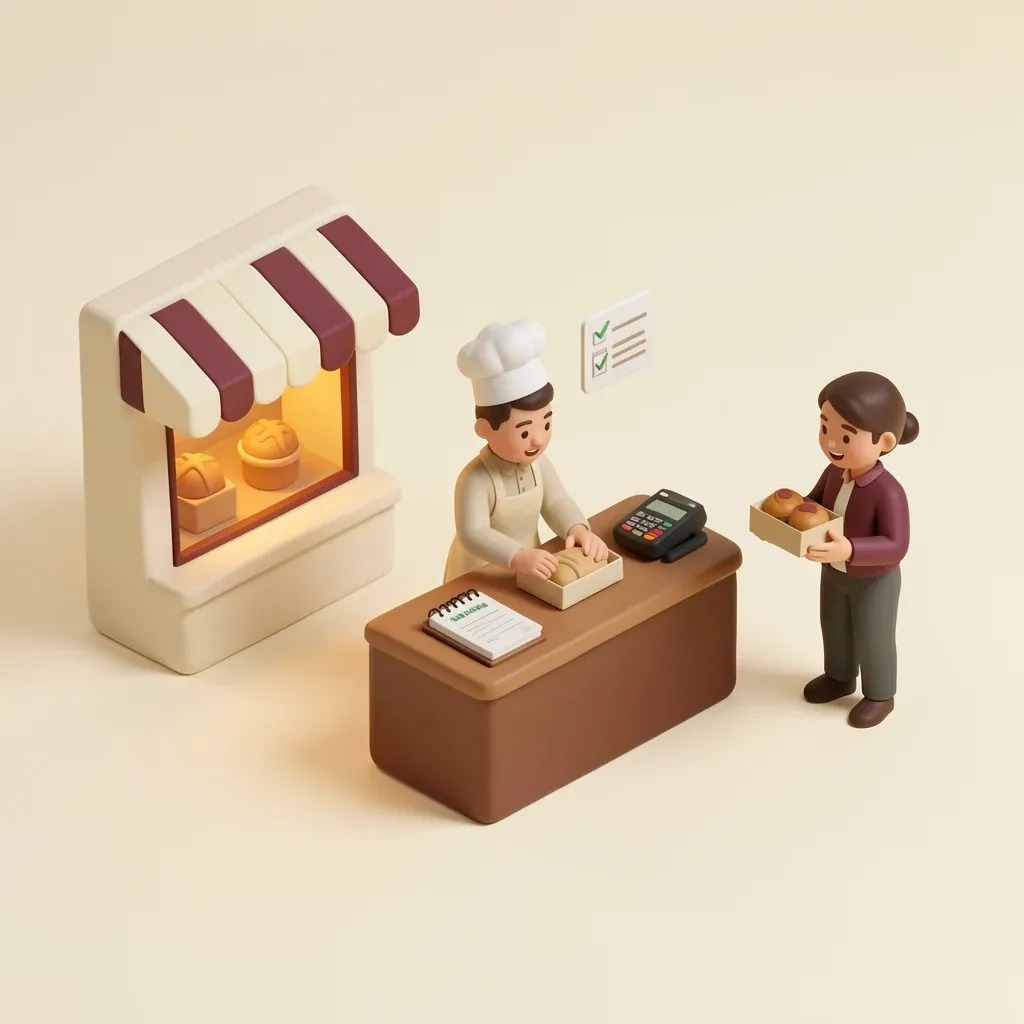
What to remember
- Count what you use, not just what you buy.
- Track labor and overhead, not only ingredients.
- Update after every bake day, not once a month.
- Pick a tool you will open on your phone.
A good inventory system for small bakeries does not need to be complicated. It should tell you when to buy more flour and when a special order will eat your profit. For a home baker, the best tool is the one you will actually update after a long bake day.
What should a bakery inventory system track?
Track the ingredients you use most, the packaging you burn through, and the finished goods waiting for pickup. That is enough for a home bakery. You do not need a warehouse count. You need to know if you have enough butter for Saturday’s cake orders and enough boxes for every dozen.
Your list should also include labor and overhead. Labor is your time. Overhead is the gas, power, label ink, and the monthly cost of any tool you use. If you count only ingredients, your prices will look fine until the electric bill arrives. A simple count of packaging and labels will show you where money leaks.
A count also protects your custom orders. If you promise six dozen cupcakes and run out of sprinkles at nine at night, you lose trust and time. A quick check before you confirm the order prevents that scramble. If you want named options, our bakery inventory management software roundup covers more.
Spreadsheet, app, or Brevl: which fits a home bakery?
A spreadsheet is cheap and flexible. It can track counts and costs. The problem is that you update it by hand, and a phone screen makes long rows hard to read. If you already love spreadsheets, start there and keep it simple.
A bakery app can take orders and track ingredients in one place. That saves you from copying numbers between a notebook, a calendar, and a payment app. Look for one that works on your phone and your computer, because you will check it in the kitchen and at the market. Our management software for small bakeries roundup compares that choice.
Brevl is built for home bakers. It includes recipes with real costing, ingredient inventory, and a weekly planner. You take card payments through your own Stripe or Square account, plus Venmo, Cash App, Zelle, and cash. It works on a computer and a phone, so your shop is not tied to one device.
You do not need every feature on day one. Start with counts and costs. Add order limits and delivery windows when your schedule demands it. The goal is less waste and fewer surprises, not a perfect system.
How to count without losing a whole day
Pick one shelf and one fridge. Write down what you see before you bake. Use the same names every time, like butter, bread flour, and vanilla. Simple names beat perfect categories.
After you bake, subtract what you used. Add what you bought. Do this in five minutes, not fifty. If a count takes too long, you will skip it, and skipped counts are worse than rough counts. If you want cost and waste numbers, see inventory programs for small bakeries.
Set a reorder point for each key item. When you hit that number, buy more. For example, if a market weekend uses four pounds of butter, reorder when you have two pounds left. That keeps you from a late store run and a rushed substitute.
What does inventory have to do with pricing?
Inventory tells you the true cost of a batch. Ingredients are only part of it. You also need your labor and a share of overhead. A price that covers ingredients but not your time is a hobby, not a business.
Here is a short example. A dozen cookies uses $4.80 of ingredients. You spend 40 minutes baking and decorating. If you value your time at $25 an hour, labor is $16.67. Add $2.50 for power, packaging, and your share of a $20 monthly tool. Total cost is $23.97. Sell the dozen for $32, and your margin is $8.03. These numbers are an example, not a quote.
What mistakes cost home bakers money?
The first mistake is counting only ingredients. Packaging, labels, and gas are real costs. The second is buying in bulk because the unit price looks lower. If half the bag spoils, you paid more per usable cup.
The third is ignoring slow movers. A specialty flour that sits for months ties up cash and space. The fourth is updating inventory once a month. A home bakery turns fast, so weekly or after each bake day is better. A broader bakery software for small business roundup can help if you want more than counts.
Waste is not always rotten food. It is also the tray of cookies you discount at the end of the day because you baked too many. Inventory helps you bake closer to real demand. Before you commit to any tool, check three things. Does it work on your phone, can you export your counts, and will a real person answer when you are stuck. If the answer is no, keep looking. A tool that slows you down on a bake day is not worth the savings.
Why home bakers choose Brevl for orders and inventory
Brevl is the alternative home bakers choose because it is easier to set up and more customizable. Your shop uses your photos, your colors, and your own web address. You can take card payments through your own Stripe or Square account, so your payment account stays yours.
The price is one flat $20 a month with no cut of your sales. There is a 14 day free trial. We set it up with you and move your old shop over, including products, photos, reviews, and dates. A real person answers, usually within minutes.
If you are comparing options, read Brevl vs Bakesy for a fair look. If you already sell somewhere else, the Switch page explains how we move your shop. For more tool choices, browse the tools for home bakers hub.
Try the free bake pricing calculator
Free, no signup.
- Bakery inventory software roundup
- Inventory programs for small bakeries
- Management software for small bakeries
Common questions
Do I need inventory software if I bake to order?
You need a record of what you use, not a full warehouse system. Write down each batch after you bake. That shows waste, helps you reorder, and keeps special orders from eating your profit. A simple tool you update is better than a perfect one you ignore.
What should I count first?
Start with the ingredients that cost the most and run out fastest. Butter, chocolate, nuts, and specialty flour are common examples. Count these before a market weekend. Once that habit sticks, add packaging and labels. You will see your food cost more clearly before you change your prices.
How often should I update inventory?
After every bake day and before every market or delivery. That is enough for a home bakery. A weekly count catches slow leaks like spoiled cream or cracked eggs. If you bake daily, count at the end of the day so the numbers match what you still have on the shelf.
Is a $20 a month tool worth it?
It can be if it stops waste and saves you time. Brevl costs one flat $20 a month with no cut of your sales. It includes recipes with real costing, ingredient inventory, and a weekly planner. If you already track everything in a notebook, keep the notebook and add the tool only when it pays for itself.
General information, not legal or tax advice.